Cleanrooms · 9 min read · October 20, 2026
How to Choose a Cleanroom Certification Provider
The standards, tests, credentials and report details to check before you hire someone to test and certify a controlled environment.
What cleanroom certification actually is
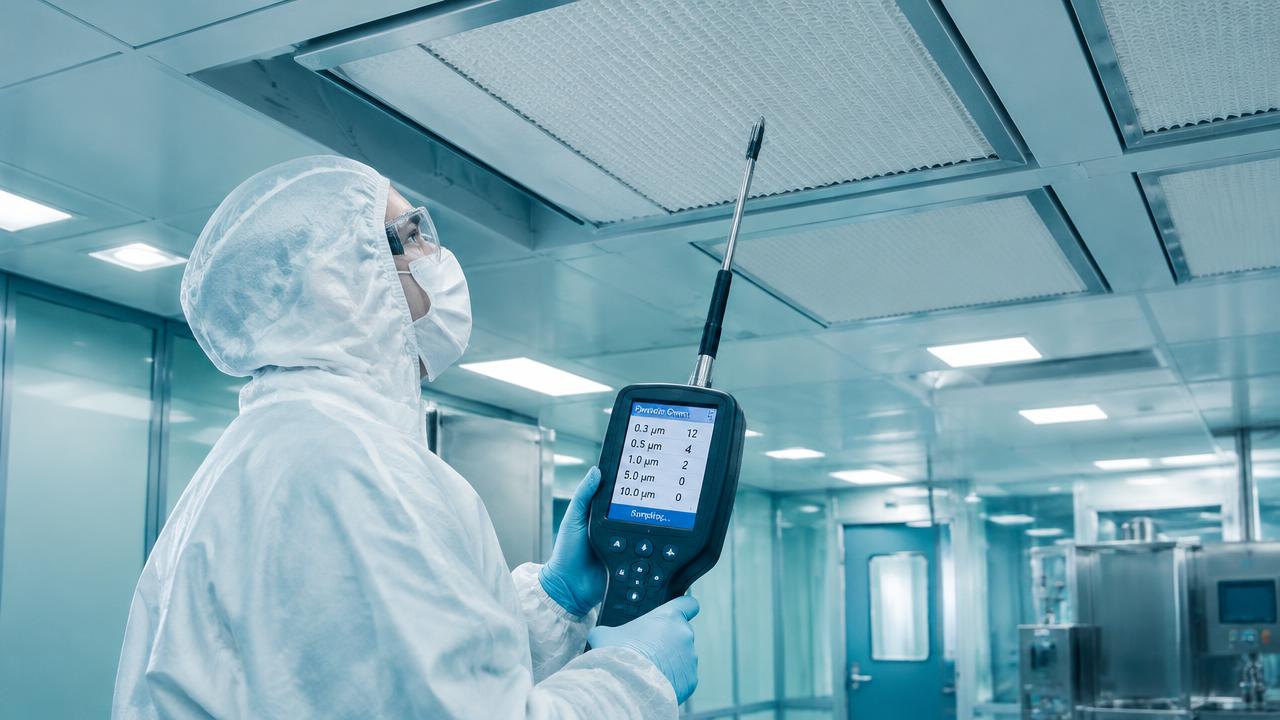
Cleanroom certification is the documented proof that a controlled environment performs to a defined standard on a given date. A certifier measures airborne particles, airflow, filter integrity and pressure relationships, compares the results to acceptance criteria, and issues a report your quality team can file and defend during an audit.
Certification is not the same as routine environmental monitoring. Monitoring is the ongoing sampling your own staff or a contractor performs between certifications. Certification is the periodic, formal verification that the room and its air-handling system still meet the class they were designed for. Most facilities need both, and many buyers hire the same provider for each.
Start with the standard you're certifying to
Most cleanroom certification in the U.S. references ISO 14644-1 for classifying air cleanliness by particle concentration, ISO 14644-2 for monitoring to show ongoing compliance, and ISO 14644-3 for the test methods themselves. These replaced the older U.S. Federal Standard 209E, which was cancelled in 2001, although you will still hear people refer to 'Class 100' or 'Class 10,000' rooms.
Regulated industries layer their own expectations on top. Sterile pharmaceutical manufacturers selling into Europe follow EU GMP Annex 1, which uses Grades A through D and sets expectations for both at-rest and in-operation states. U.S. compounding pharmacies follow USP <797> for sterile compounding and USP <800> for hazardous drugs, which include specific certification frequencies and pressure requirements. FDA's guidance on aseptic processing also sets expectations for drug manufacturers.
Tell prospective providers exactly which documents apply before you ask for pricing. A quote written for ISO 14644 alone will not include the tests a USP <797> pharmacy or an Annex 1 filling suite needs, and the two numbers will not be comparable.
Ask what tests are included
A full certification typically covers several core tests. Ask each provider to list them, describe the method, and say which standard each method comes from.
- Airborne particle count to classify the room at the specified particle sizes.
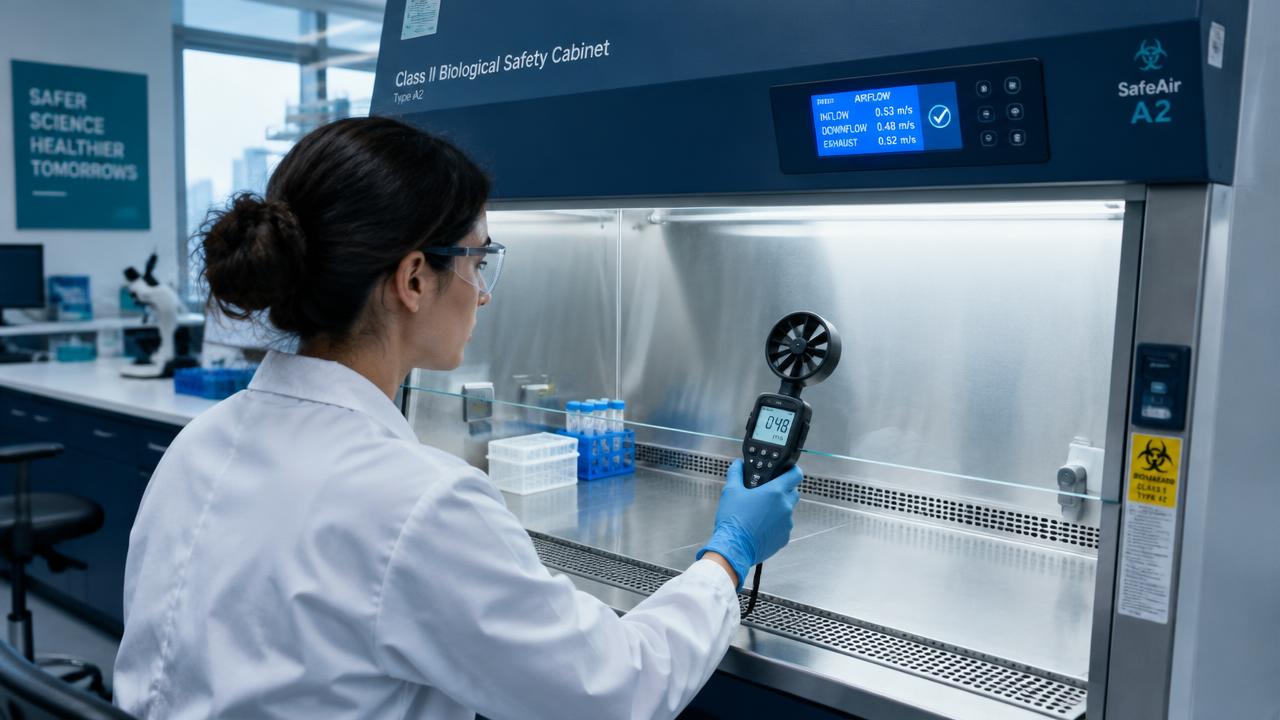
- Airflow velocity or volume, used to calculate air changes per hour or unidirectional velocity.
- HEPA or ULPA filter installed leak testing, usually with an aerosol photometer or discrete particle counter.
- Room pressurization and pressure cascade between adjacent spaces.
- Optional tests such as recovery time, airflow visualization (smoke studies), temperature, humidity, lighting and noise.
At-rest versus in-operation
ISO 14644-1 defines three occupancy states: as-built, at-rest and operational. Results can differ dramatically between them, because people and processes are the largest source of particles in most rooms. Annex 1 and USP <797> both expect certain testing under dynamic or operational conditions.
Ask whether the quote includes testing in each state you need, and coordinate with operations so the in-operation test reflects real work. A room that passes only when empty may not protect your product.
Check calibration and technician training
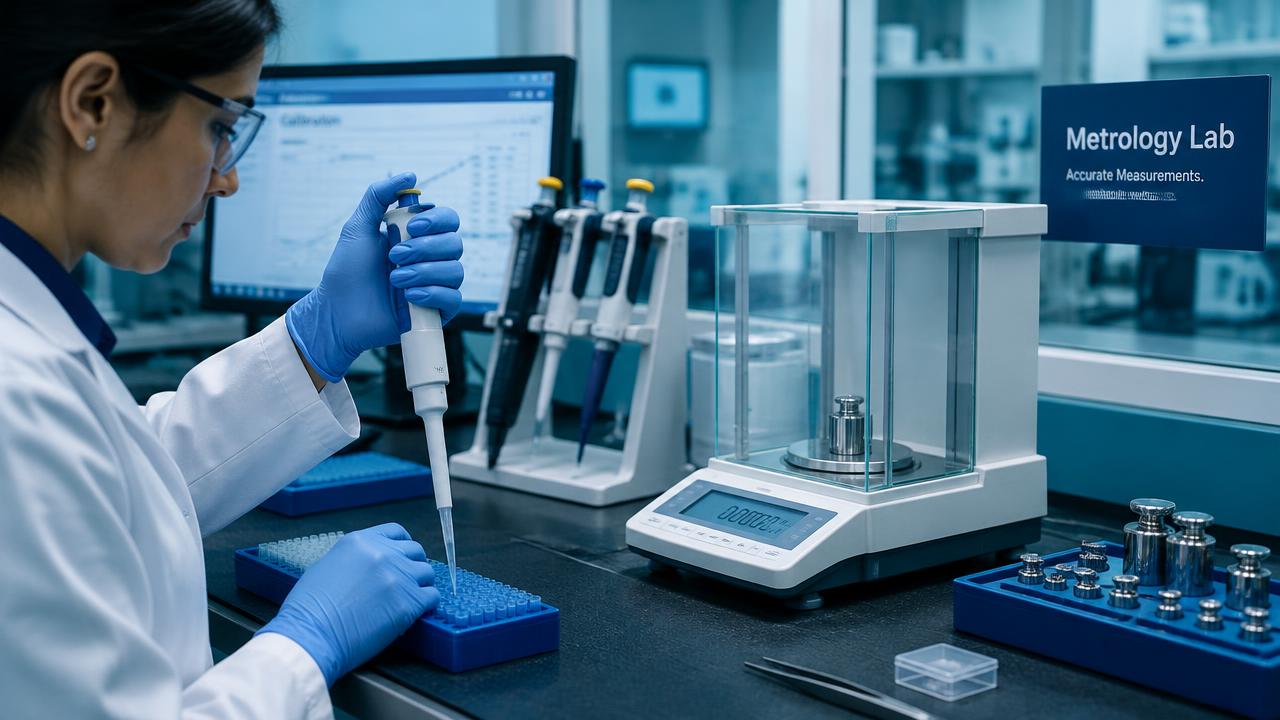
Particle counters, photometers, anemometers, flow hoods and manometers should all carry current calibration traceable to national standards such as those maintained by NIST. Ask for copies of the certificates before the visit and check the dates against the scheduled test date.
Ask how technicians are trained and whether they hold relevant credentials. Organizations such as CETA (the Controlled Environment Testing Association) publish application guides used widely in compounding certification, and NEBB offers cleanroom performance testing certification for firms and professionals. A credential is not a guarantee of quality, but it gives you something specific to verify.
Review a sample report before you sign
A good report states the standard and edition, the instruments used with serial numbers and calibration dates, a room map with sample locations, acceptance criteria, raw results, a pass or fail determination and any deviations with recommended corrective actions. It should be signed and dated by the technician and, ideally, reviewed by a second person.
If a sample report is vague, the real one will be too. Vague reports are the most common reason auditors push back on otherwise good certification work.
Practical questions to ask on the first call
Beyond the technical scope, a few practical questions separate providers who will fit your facility from those who won't.
- How far in advance do you schedule, and can you work nights or weekends to avoid production downtime?
- Do you carry the general liability and professional insurance our vendor qualification requires?
- If a filter fails a leak test, can you repair or replace it on the same visit?
- How soon after the visit will we receive the final signed report?
- Who do we call if an auditor has questions about the report?
How LabSource Network helps
LabSource Network lists cleanroom certification providers by state and service. Each listing separates credentials we have verified from credentials the provider reports, and sponsored placements are always labeled. You can also describe your project once with a quote request and we route it to providers who serve your area.
Sources and further reading
- ISO 14644-1:2015 — Classification of air cleanliness by particle concentration (ISO)
- EudraLex Volume 4 — EU GMP guidelines, including Annex 1 (European Commission)
- USP General Chapter <797> Pharmaceutical Compounding — Sterile Preparations (USP)
- Sterile Drug Products Produced by Aseptic Processing — guidance (FDA)
- Controlled Environment Testing Association (CETA)
- NEBB — cleanroom performance testing certification
This article is general guidance, not compliance advice. Standards are revised over time; confirm the current edition and the requirements that apply to your facility with your quality team.