Buying · 8 min read · September 26, 2026
Writing a Better RFQ for Laboratory Services
A simple structure that gets you faster, comparable quotes from qualified lab, cleanroom and calibration providers.

Why most RFQs get weak quotes
A request for quotation (RFQ) is only as good as the information in it. When a provider has to guess at scope, they either pad the price to cover risk or quote the minimum and add change orders later. Either way, you can't compare quotes side by side, and the selection becomes a guess.
A good RFQ takes perhaps an hour to write and can save weeks of back-and-forth. The structure below works for certification, calibration, validation, maintenance and environmental monitoring services.
1. Describe the scope, not just the service
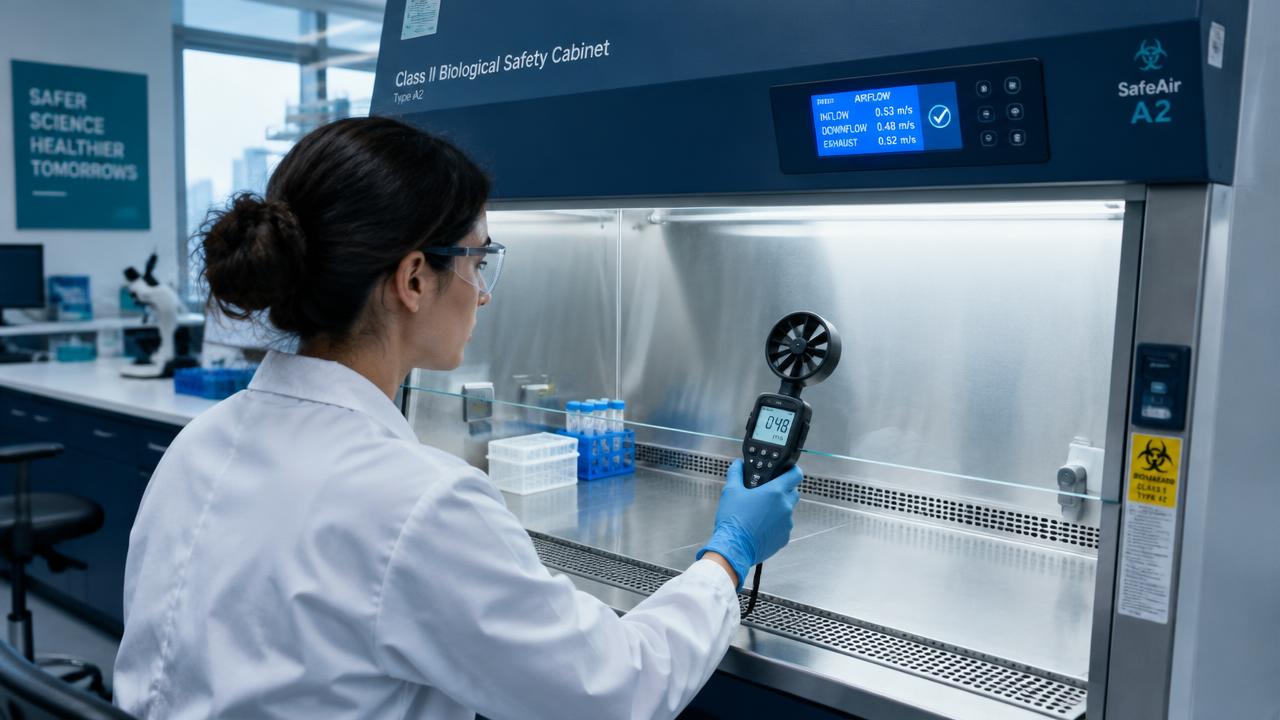
List what is involved in enough detail that a provider could plan the visit from your document alone. 'Certify 6 Class II Type A2 BSCs and 2 ducted fume hoods across two floors' gets better quotes than 'certification services.'
- Equipment or rooms, with quantities.
- Manufacturers, models and serial or asset numbers where relevant.
- Room classifications, square footage and number of HEPA filters for cleanrooms.
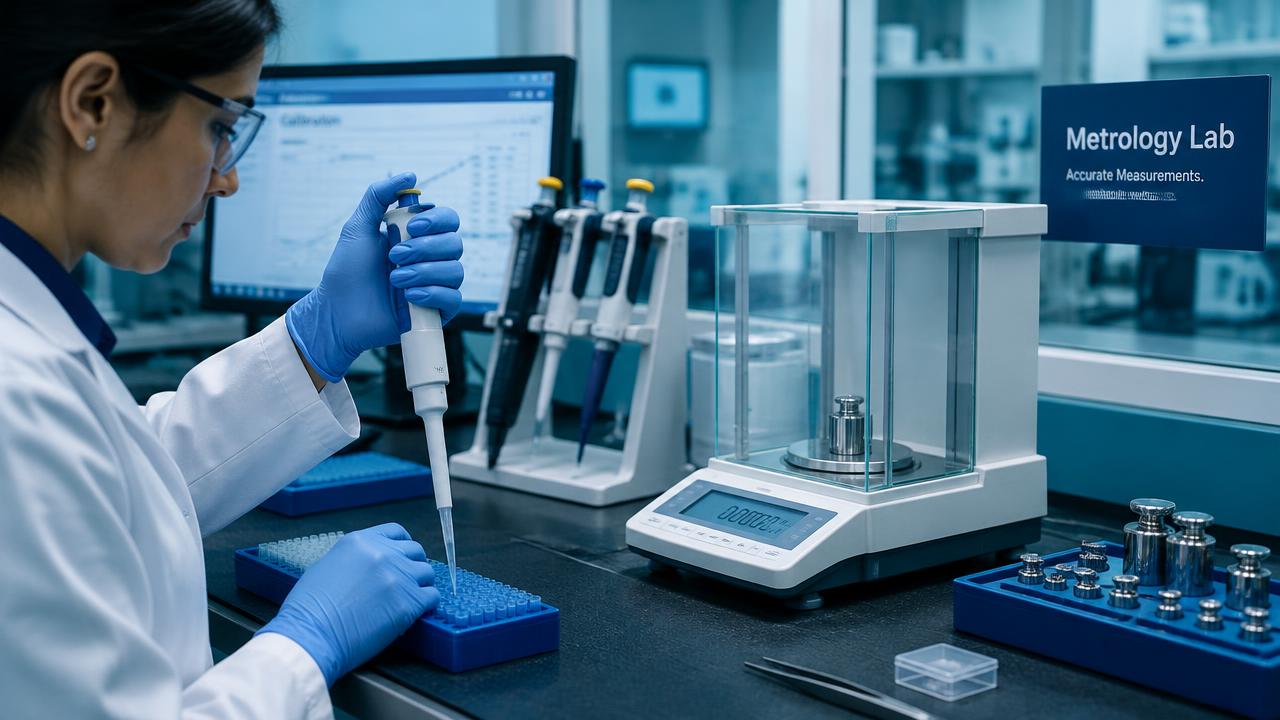
- Instrument types and ranges for calibration.
- Facility type: research, clinical, GMP manufacturing, compounding pharmacy, hospital.
2. Name the standards and documentation you need
State the standards the work must follow, such as ISO 14644, NSF/ANSI 49, USP <797>, EU GMP Annex 1 or ISO/IEC 17025. Say whether you require accredited calibration or will accept traceable calibration.
Specify the report format and what it must contain, and list the vendor-qualification paperwork you need: certificates of insurance, W-9, training records, instrument calibration certificates, and any quality agreement your procurement team requires.
3. Give timing and access details
Timing and access constraints change pricing more than most buyers expect. Include them up front.
- Preferred dates or a window, and any hard deadline such as an audit.
- Whether work must be done nights, weekends or during shutdowns.
- Gowning requirements and entry procedures.
- Site access rules: badging, escorts, background checks, safety training.
- Parking, loading dock and elevator access for heavy equipment.
4. Ask for answers in a common format
Ask every provider to price the same line items and answer the same questions. A simple table with one row per item and columns for unit price, quantity and total makes comparison easy. Ask separately for travel, after-hours premiums, repair rates and the cost of retesting after a failure.
Also ask each provider to describe their credentials and attach a sample report. Credentials you can verify, such as an accreditation certificate with a scope, are worth more than general claims.
5. Set a clear evaluation and timeline
Tell providers when quotes are due, when you'll decide, and what matters most: price, turnaround, credentials, local presence, or the ability to bundle several services. Providers write better quotes when they know how they'll be judged. Public-sector buyers may have formal procurement rules; check those before you publish the RFQ.
A short RFQ checklist
Before sending, check that your RFQ answers these questions.
- What exactly is being tested, calibrated or serviced, and how many?
- Which standards and documents apply?
- Where is the site and what are the access rules?
- When must the work be done?
- What paperwork must the provider supply?
- How should the quote be formatted, and by when?
Send it once with LabSource Network
LabSource Network's quote request form follows this structure. You describe your project once, including service, location, timing and requirements, and we route it to providers who serve your state. There's no cost to buyers, and you choose who to talk to.
Sources and further reading
This article is general guidance, not compliance advice. Standards are revised over time; confirm the current edition and the requirements that apply to your facility with your quality team.